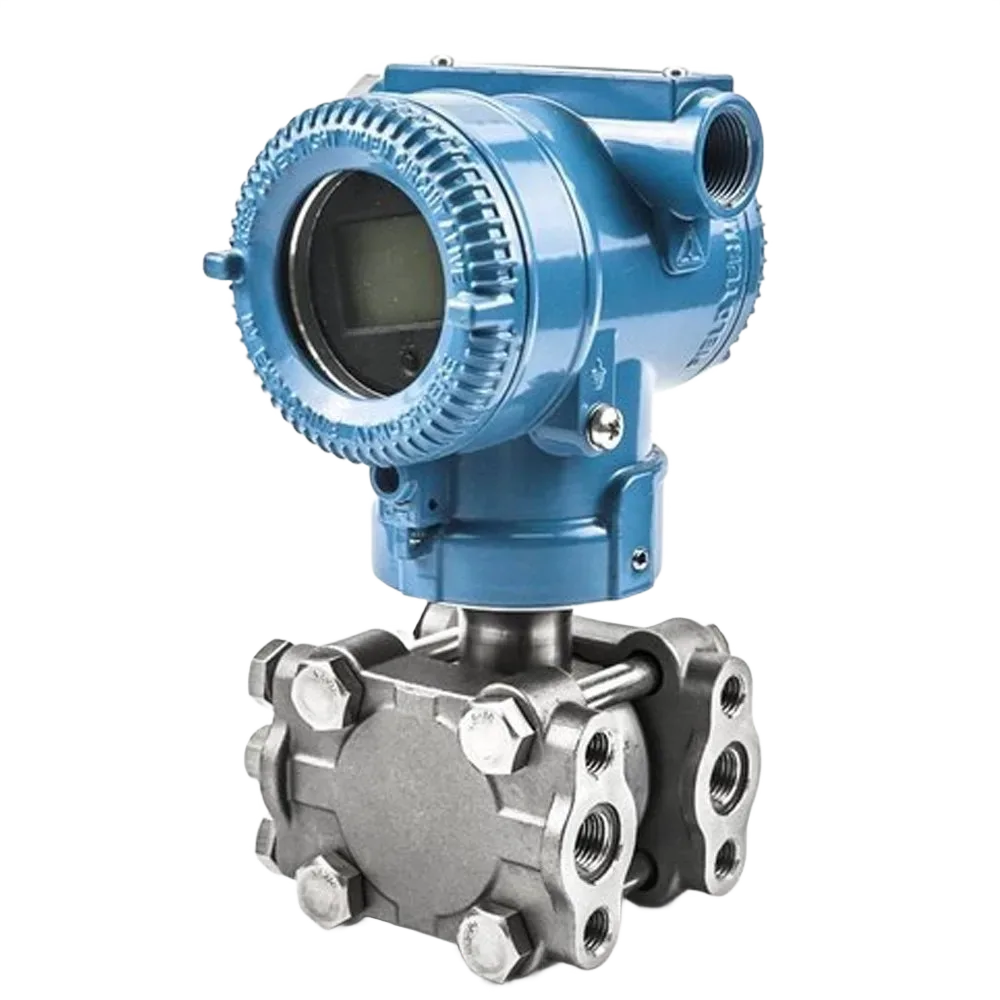

Smart Differential Pressure Transmitter

  • Features remote measurement span adjustment and calibration via the HART protocol.
  • Accurately measures differential pressure with long-term stability and high accuracy.
  • Equipped with a local display for on-site monitoring and indication of differential pressure.
  • Widely used for flow, level, and density measurement.
  • Robust mechanical construction designed to withstand high static pressures.
  • Features advanced diagnostics and alarms for abnormal operating conditions.

Engineering-Led Selection

Genuine Products, Direct Sourcing

×

Phone:

021-66572717
Product Overview

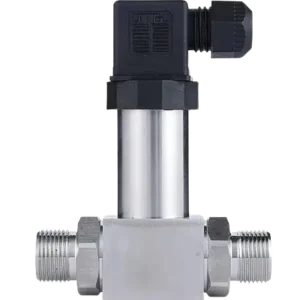
Differential pressure transmitter A Smart DP is a versatile, high-accuracy measuring instrument that measures the pressure difference between two process points and converts it into a standard analog signal (4 to 20 mA) and a digital signal. It has a structure similar to that of a smart pressure transmitter and consists of a measuring cell with two pressure ports: a high-pressure port (High Side) and a low-pressure port (Low Side).

Key features of the Smart model include a built-in microprocessor that provides a wide measurement rangeability, meaning its range can be adjusted for different applications. These models are also equipped with a local display for viewing the differential pressure at the installation site and support smart communication protocols such as HART for remote calibration and troubleshooting.

Four common applications of Smart DP transmitters are:

Flow measurement using an orifice plate, level measurement in pressurized tanks, fluid density measurement, and precise monitoring of filters in critical pipelines.

Key Features
Certification
Display Type
Fluid Type
Measured Variable
Output Signal
Process Connection
Wetted Part Material
Measurement Technology
Technical Documents
Datasheet 1 document
Videos
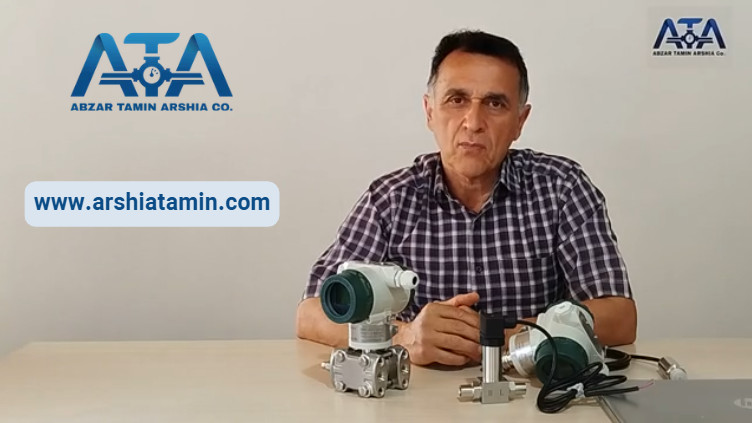
Introduction to Differential Pressure Transmitters

Introduction to Differential Pressure Transmitters

Request a Quote
Technical & Commercial RFQ

Submit Your Request in One Place

You can add multiple instruments to one request. The form shows the fields available for each product.

ATA SMART RFQ Engineering Insight, Precision Supply
۱

Contact Information

We will send the quotation response to this contact.

۲

Select and Add a Product

Search for a product or select one from the list to add its form.

Standard specifications will be listed in the quotation. You can request changes after receiving it.

۳

Attachments and Notes

Attach at least one file when choosing Upload RFQ Files Only.

Choose FilesPDF, Word, Excel, image, DWG or DXF — up to 10 MB per file
    ۰ قلم تجهیزAll items and files will share one tracking number.

    Frequently Asked Questions

    They are used to measure differential pressure and, with the appropriate configuration, to measure level or flow. Calculations and connections must be designed separately for each application.

    Both sides of the sensor may be exposed to high common-mode pressure. The transmitter’s ability to withstand this pressure and its effect on performance must be evaluated independently of the differential pressure range.

    No. It is typically used to derive flow from the differential pressure across a primary element. For direct differential pressure or level measurement, an incorrect setting can cause errors.

    Determine whether square root extraction will be performed in the transmitter or in the PLC or flow computer. Applying it at both points will result in an incorrect flow calculation.

    It can be used with the appropriate range and configuration. The pressure in the tank’s vapor space, liquid density, and the effects of Wet Leg lines or seals must be taken into account.

    Depending on the manifold type, it provides isolation, balancing, or venting. The valve operating sequence must follow safe operating procedures and the instrument’s instructions.

    Please provide the application, DP range, static pressure, fluid and temperature, connection configuration, any seal or manifold requirements, output, and hazardous-area certification requirements.