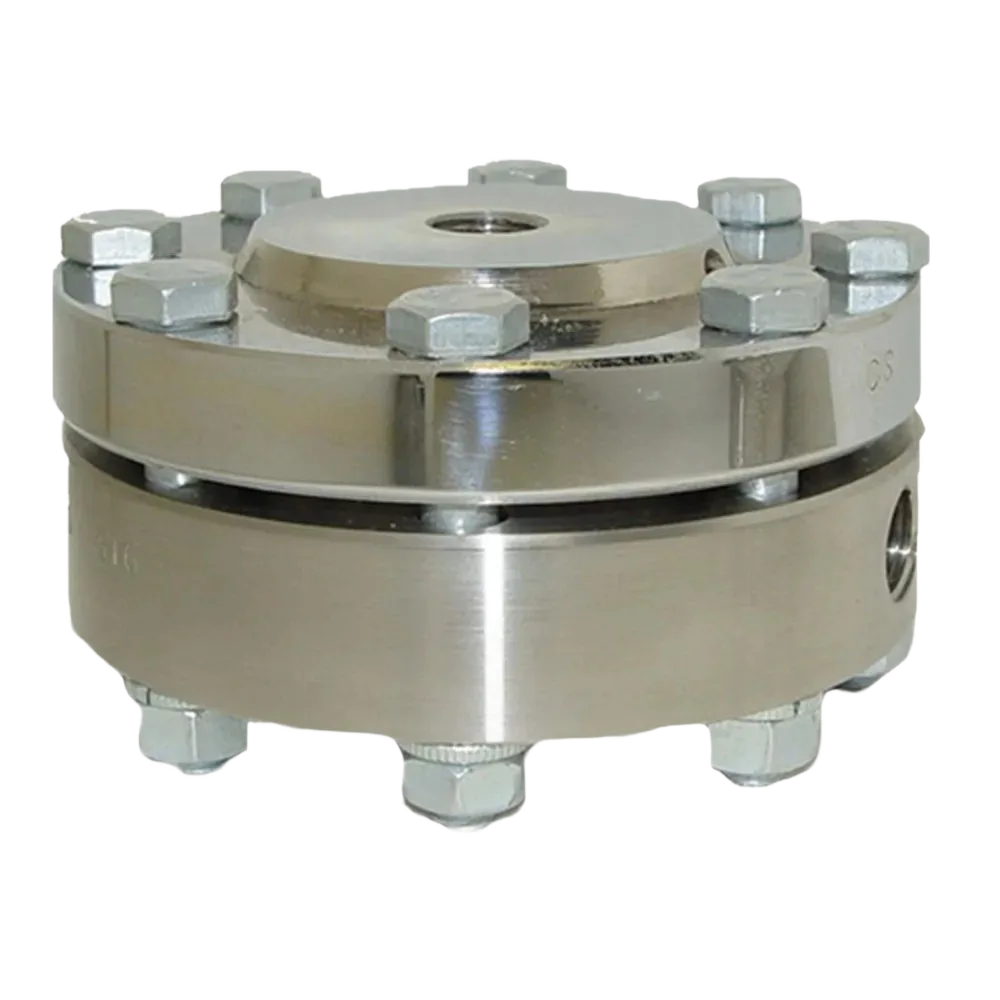
Diaphragm Seal

  • Fully protects the pressure sensor from direct contact with process fluids.
  • Ideal for applications involving corrosive, viscous, sticky, or particle-laden fluids.
  • Suitable for very high temperatures when the appropriate fill fluid is selected.
  • Diaphragm materials such as Hastelloy and titanium can be selected based on chemical compatibility.
  • Features sanitary connections for use in the food and pharmaceutical industries.
  • Can be installed and used with pressure gauges, switches, and transmitters.

Engineering-Led Selection

Genuine Products, Direct Sourcing

×

Phone:

021-66572717
Product Overview

A diaphragm seal is a protective device installed between a pressure measurement instrument (such as a transmitter or pressure gauge) and the process fluid. Its primary function is to isolate the sensitive measuring instrument from the process fluid in applications where the fluid may be highly corrosive, viscous (sticky), contain suspended solid particles, or be at a very high temperature. How it works: The device consists of a lower chamber connected to the process, with a flexible metal diaphragm positioned above it. The space between the diaphragm and the pressure sensor is filled with a fill fluid (such as silicone or oil). Process pressure acts on the diaphragm and is hydraulically transmitted through the fill fluid to the measuring element (such as the transmitter sensor). The diaphragm prevents the problematic fluid from entering the sensor directly.

Diaphragm seals are essential for ensuring the reliable operation and long service life of pressure measuring instruments in harsh chemical, petrochemical, food, pharmaceutical, and refinery environments where protecting the sensor from direct contact with the process is critical. These devices are available in various types, including flanged, threaded, sanitary (Sanitary), and more.

Key Features
Measured Variable
Fluid Type
Installation Type
Process Connection
Wetted Part Material
Portability
Measurement Technology
Request a Quote
Technical & Commercial RFQ

Submit Your Request in One Place

You can add multiple instruments to one request. The form shows the fields available for each product.

ATA SMART RFQ Engineering Insight, Precision Supply
۱

Contact Information

We will send the quotation response to this contact.

۲

Select and Add a Product

Search for a product or select one from the list to add its form.

Standard specifications will be listed in the quotation. You can request changes after receiving it.

۳

Attachments and Notes

Attach at least one file when choosing Upload RFQ Files Only.

Choose FilesPDF, Word, Excel, image, DWG or DXF — up to 10 MB per file
    ۰ قلم تجهیزAll items and files will share one tracking number.

    Frequently Asked Questions

    It isolates the process fluid from the pressure instrument and transmits pressure through the diaphragm and fill fluid. The materials and design must be compatible with the process.

    Diaphragm seals are considered for corrosive, viscous, particle-laden or clogging-prone fluids, and for certain temperature conditions. Selection should account for the required pressure range and accuracy.

    The assembly must be properly filled and vented. Disconnecting the filled connection can release the fill fluid and impair performance; specialized assembly is required.

    Temperature, pressure and vacuum ranges, process compatibility, and sanitary requirements all affect the selection. No single oil is suitable for every application.

    It can increase response time and the effect of ambient temperature changes. The capillary length, diameter and routing should be matched to the required range and response time.

    The fill-fluid column can create a pressure offset. The elevation difference between the instrument and the seal must be considered when selecting the range and configuring the assembly.

    Please provide the process fluid, pressure and temperature, potential vacuum conditions, process and instrument connections, diaphragm material, capillary length, installation elevation, and any sanitary requirements.