
Engineering-Led Selection

Genuine Products, Direct Sourcing
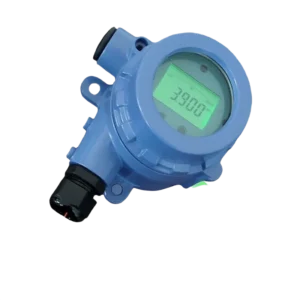
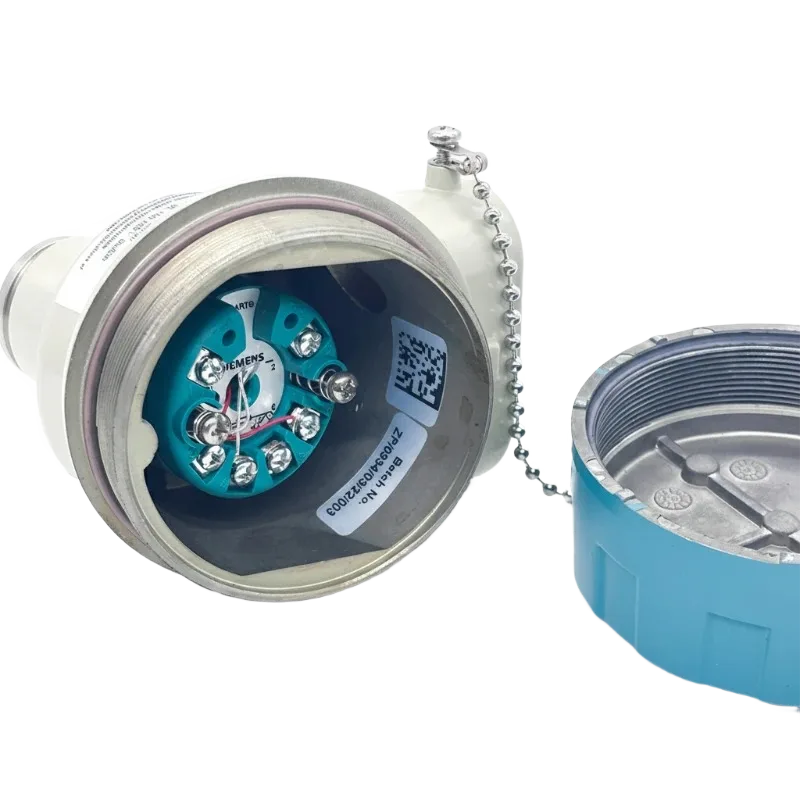
In an integrated temperature sensor and transmitter, the RTD temperature sensor and its corresponding head-mounted transmitter are assembled together in a single housing (protective head). This combination is the best way to achieve the highest accuracy and stability in process temperature measurement.
Operating principle: The RTD sensor, known for its inherent accuracy and high repeatability, measures the process temperature directly. The resistance signal generated by the RTD is immediately converted by the built-in transmitter into a standard 4 to 20 mA signal. This rapid conversion at the installation point reduces the effect of wire resistance along the long output cable to the control room; compensation for wire resistance between the RTD and transmitter still depends on using a 2-, 3-, or 4-wire connection.
An integrated RTD system is the best choice for sensitive industries such as pharmaceuticals and food processing, and for any process that requires temperature measurement with minimal error and accurate data logging. The transmitter’s programmability also allows the measurement range to be changed and calibration to be performed easily.
| Accuracy Class | ±0.5% |
|---|---|
| Certification | General Purpose |
| Fluid Type | Conductive Liquid, Gas, Non-Conductive Liquid, Slurry, Steam |
| IP Rating | IP65 |
| Measurement Technology | RTD |
| Output Signal | 4-20 mA, HART |
| Portability | Fixed |
| Process Connection | Thread |
| Power Supply | 24V DC |
| Wetted Part Material | Stainless Steel |
| Measured Variable | Temperature |
| Installation Type | Insertion |
| Display Type | With Display, Without Display |
- PDF Data Sheet Download

Introduction to Temperature Transmitters
Submit Your Request in One Place
You can add multiple instruments to one request. The form shows the fields available for each product.
Related products