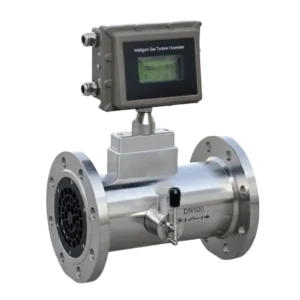
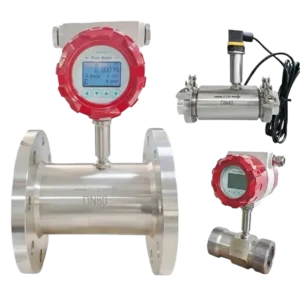
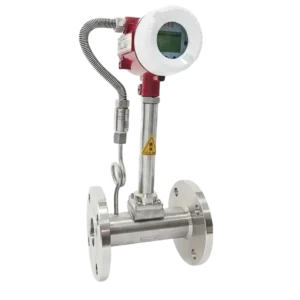
Rotameter and Variable Area Flowmeter

  • Local measurement and display of liquid and gas flow rates using the variable area principle.
  • Mechanical operation without a power supply in models with a mechanical indicator.
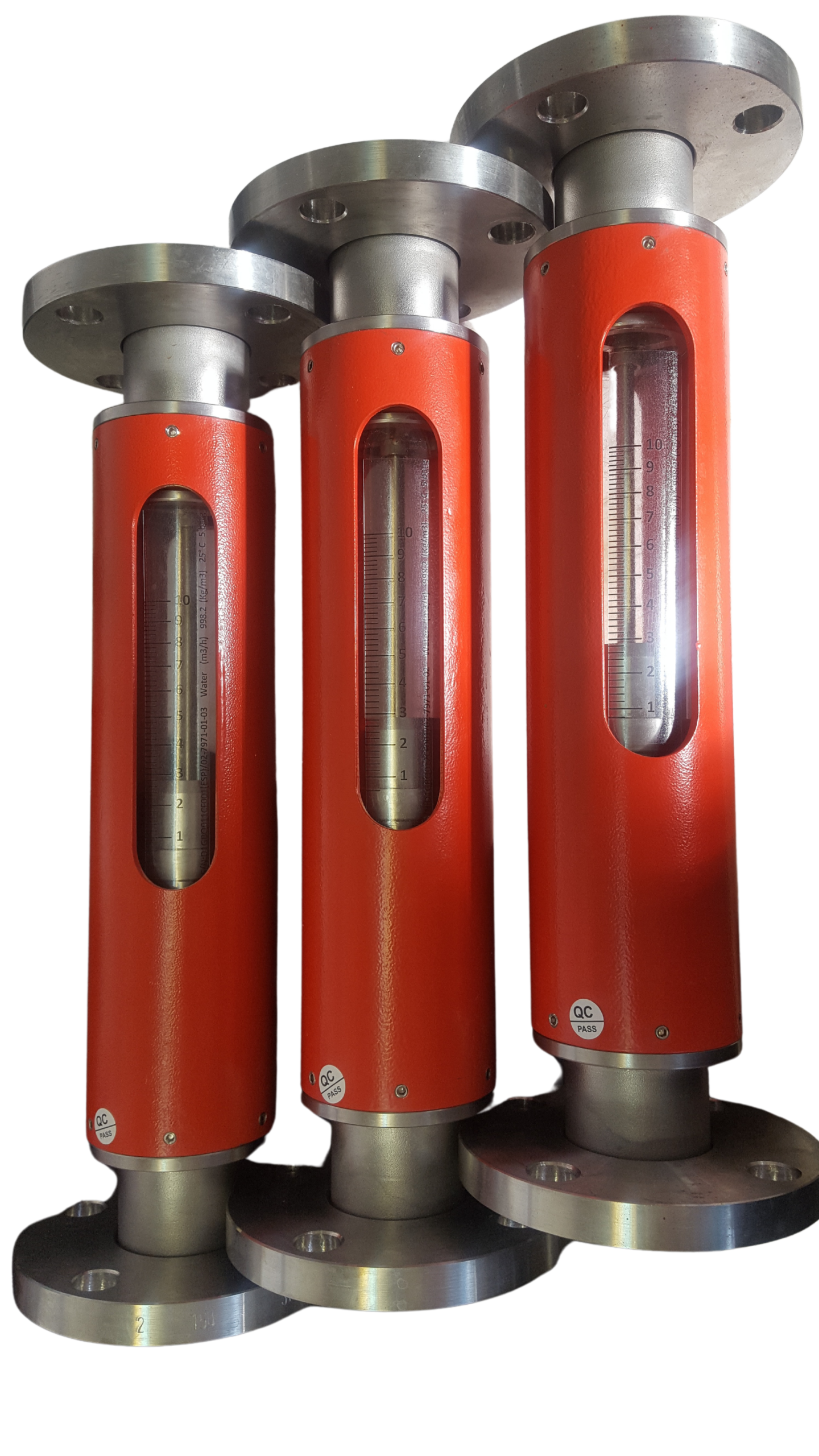
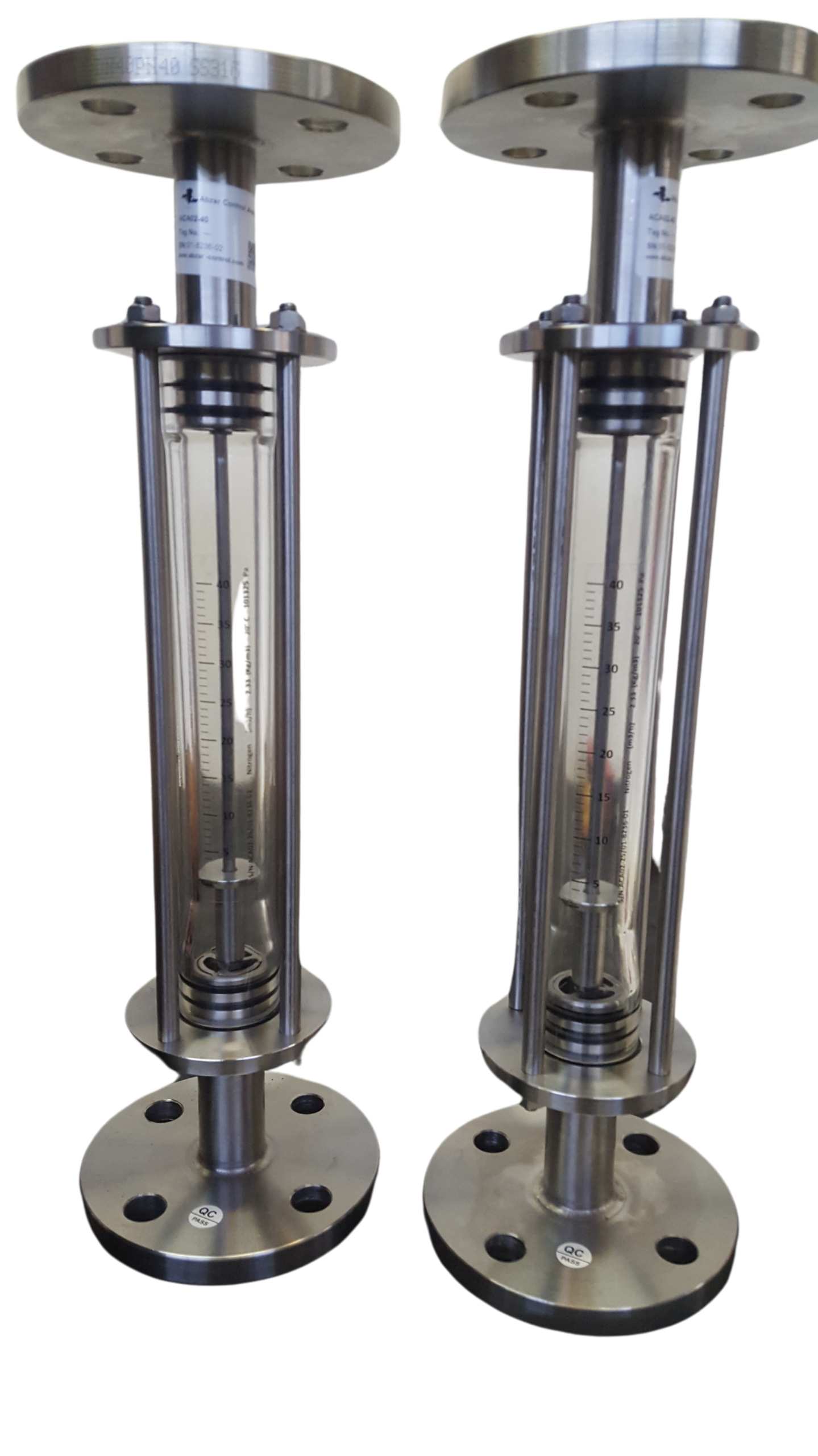
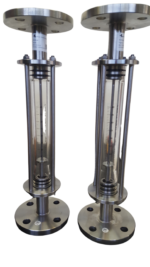
  • Available in glass, acrylic, and metal tube designs.
  • Suitable for flow monitoring in process lines, purge systems, and laboratory equipment.
  • Models with a control valve, alarm switch, or transmitter can be selected to suit the application.
  • Select the measuring range based on the fluid type, pressure, temperature, density, and viscosity.

Engineering-Led Selection

Genuine Products, Direct Sourcing

×

Phone:

021-66572717
Product Overview

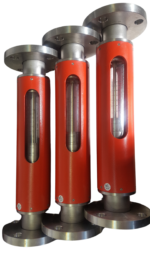
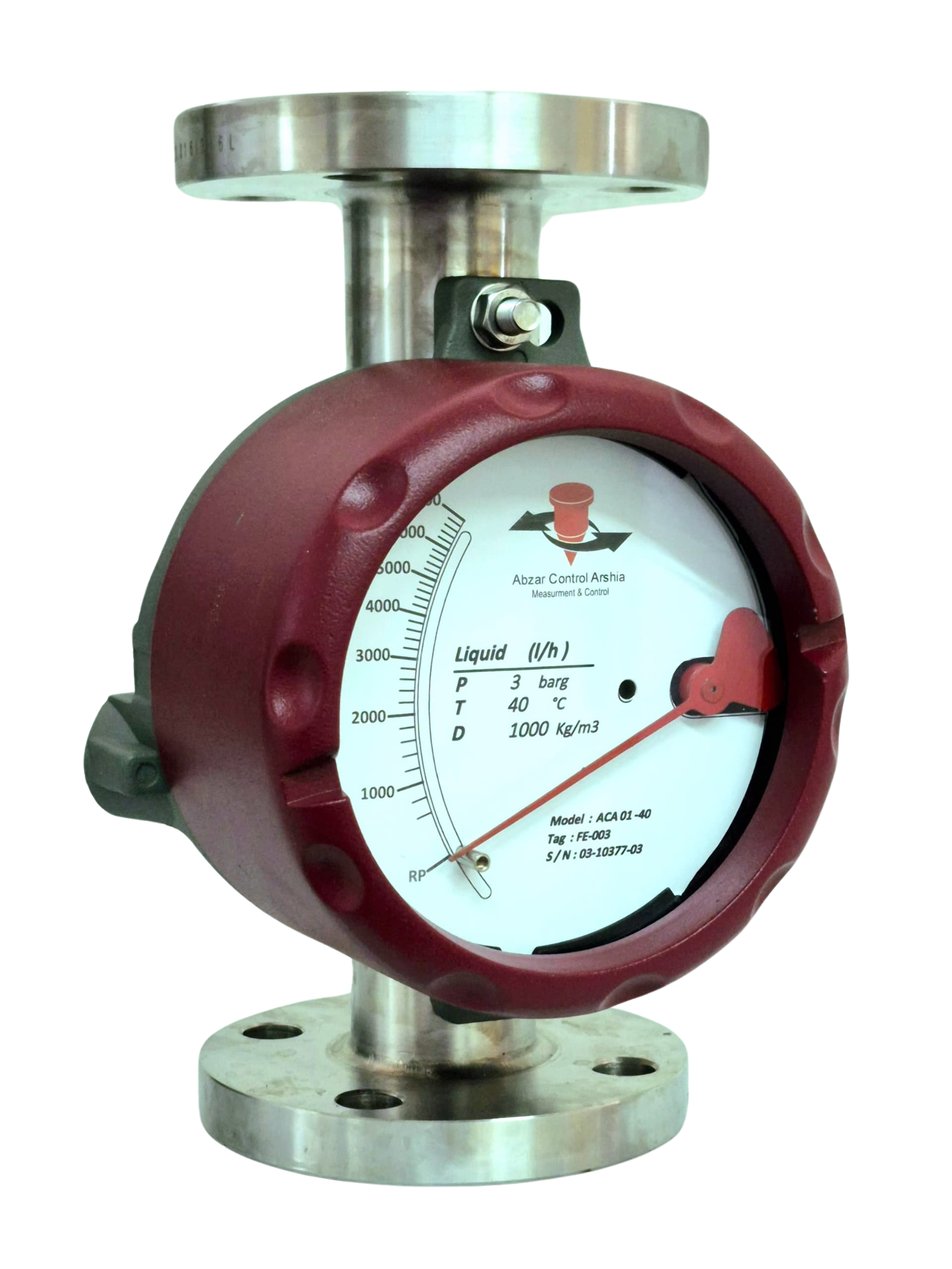
Rotameter (Rotameter), also known as a variable-area flowmeter, is a device used to measure the flow rate of liquids and gases. In a typical design, a float is positioned inside a tapered tube, and the fluid flows upward through it. As the flow rate increases, the float rises, creating a larger flow area around it. The float settles at a height where the forces acting on it are balanced; this position is used to determine the flow rate.

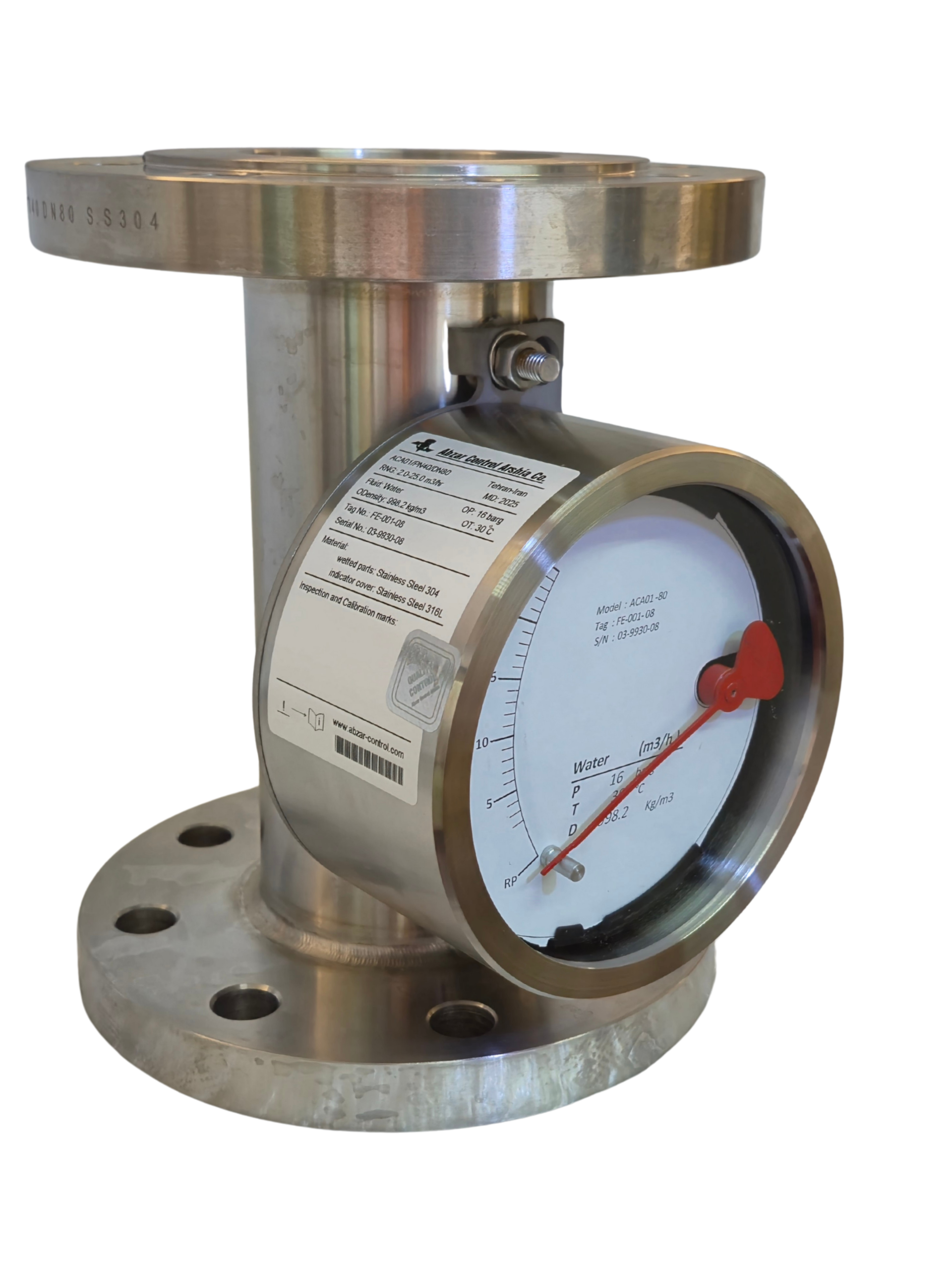
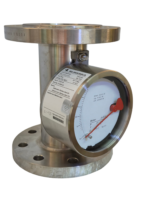
In transparent-tube rotameters, the float position and flow rate can be read directly from the scale. In metal-tube models, the float position is typically transmitted to an indicator through magnetic coupling. Mechanical models do not require electricity to display the flow rate; some models can also be equipped with an electrical output or an alarm switch.

Rotameters are used for monitoring cooling water, purge gases, sampling systems, chemical injection lines, and laboratory equipment. The choice of glass, acrylic, or metal construction should be based on pressure, temperature, chemical compatibility, and installation conditions.

When selecting a rotameter, the range shown on the scale is not the only factor to consider. The instrument is calibrated for a specific fluid and set of conditions, and changes in density, viscosity, pressure, or temperature can affect the reading. This is particularly important when measuring gases. The presence of particles, deposits, or pulsating flow should also be taken into account.

Abzar Tamin Arshia reviews the fluid specifications, flow range, operating conditions, and requirements for local indication or signal transmission to recommend a suitable model for the intended application.

Key Features
Measured Variable
Measurement Technology
Fluid Type
Display Type
Accuracy Class
Installation Type
Output Signal
Process Connection
Power Supply
Wetted Part Material
Technical Documents
کاتالوگ 1 document
Request a Quote
Technical & Commercial RFQ

Submit Your Request in One Place

You can add multiple instruments to one request. The form shows the fields available for each product.

ATA SMART RFQ Engineering Insight, Precision Supply
۱

Contact Information

We will send the quotation response to this contact.

۲

Select and Add a Product

Search for a product or select one from the list to add its form.

Standard specifications will be listed in the quotation. You can request changes after receiving it.

۳

Attachments and Notes

Attach at least one file when choosing Upload RFQ Files Only.

Choose FilesPDF, Word, Excel, image, DWG or DXF — up to 10 MB per file
    ۰ قلم تجهیزAll items and files will share one tracking number.

    Frequently Asked Questions

    Yes, but the instrument must be selected and calibrated for the intended fluid and operating conditions. The scale of a rotameter designed for water cannot be used directly for air or another fluid.

    Mechanical models do not require electricity to measure and locally display flow rate. Models with a transmitter or electrical components may require a power supply.

    Conventional models must be installed vertically, with flow from bottom to top. Some special designs allow different mounting orientations; follow the installation instructions for the specific model.

    In a glass tube model, the float and fluid flow are directly visible. In a metal tube model, the float is inside a metal tube, and its position is transmitted to an indicator. The choice depends on the pressure, temperature, fluid type, and operating environment.

    Please provide the fluid type, minimum and maximum flow rates, unit of measurement, operating pressure and temperature, connection size and type, required materials, and whether a control valve, output, or alarm switch is needed. For gases, also specify the reference conditions for the flow rate.