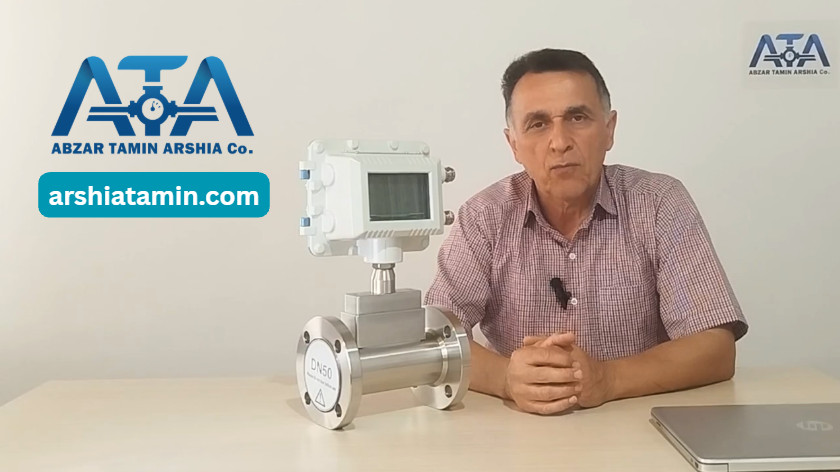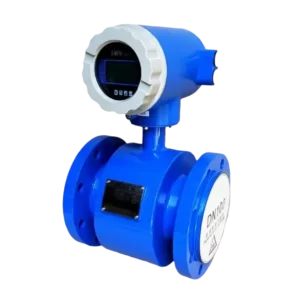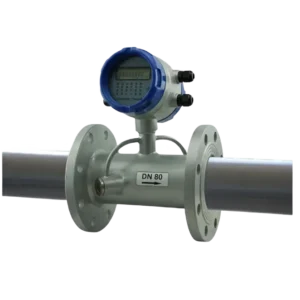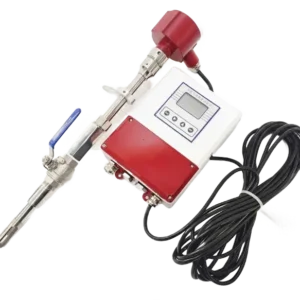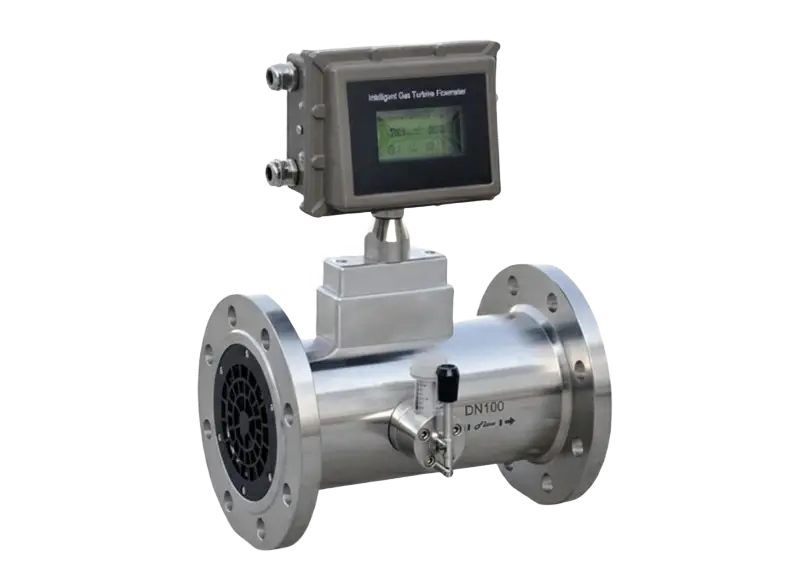

Gas Turbine Flow Meter

  • Ideal for measuring the volumetric flow rate of natural gas, air, and process gases.
  • Option to select a model with pressure and temperature correction to convert flow rate or volume to specified reference conditions.
  • High accuracy and repeatability, with long-term performance stability.
  • Suitable for use in industrial natural gas metering stations.
  • High-accuracy frequency pulse output, compatible with control systems.
  • Robust mechanical construction and high reliability.

Engineering-Led Selection

Genuine Products, Direct Sourcing

×

Phone:

021-66572717
Product Overview

Turbine flow meters are among the most common instruments for measuring the volumetric flow rate of gases in pipelines. They operate using a low-mass, multi-blade rotor installed in the flow path. As gas passes through the meter chamber, the rotor begins to turn, and its angular velocity is directly proportional to the linear velocity of the gas flow. A magnetic or optical sensor (Pick-up Coil) detects the rotor blades as they pass and generates an electronic pulse signal whose frequency indicates the instantaneous flow rate.

These flow meters are widely used at natural gas metering stations, in industrial processes, and in production lines for non-corrosive gases.

Some gas turbine flow meter models feature electronic pressure and temperature compensation (P&T Compensation). Because gas volume is highly dependent on changes in pressure and temperature, models equipped with pressure and temperature sensors or a compensator automatically convert the flow rate to the reference standard conditions using the measured P&T values. This ensures that final measurements are accurate and comparable. This feature is essential for measuring gas flow rates.

Key Features
Accuracy Class
Certification
Display Type
Fluid Type
Installation Type
IP Rating
Measurement Technology
Output Signal
Portability
Wetted Part Material
Power Supply
Measured Variable
Technical Documents
Datasheet 1 document
Videos
Introduction to Gas Turbine Flow Meters

Introduction to Gas Turbine Flow Meters

Configuration and Initial Commissioning

Configuration and Initial Commissioning

Request a Quote
Technical & Commercial RFQ

Submit Your Request in One Place

You can add multiple instruments to one request. The form shows the fields available for each product.

ATA SMART RFQ Engineering Insight, Precision Supply
۱

Contact Information

We will send the quotation response to this contact.

۲

Select and Add a Product

Search for a product or select one from the list to add its form.

Standard specifications will be listed in the quotation. You can request changes after receiving it.

۳

Attachments and Notes

Attach at least one file when choosing Upload RFQ Files Only.

Choose FilesPDF, Word, Excel, image, DWG or DXF — up to 10 MB per file
    ۰ قلم تجهیزAll items and files will share one tracking number.

    Frequently Asked Questions

    Measurement is based on the volume of gas under the instrument’s operating conditions. Conversion to reference or standard volume depends on pressure, temperature and, if required, the compressibility factor.

    No. This capability must be specified for the model or the accompanying corrector. The presence of a display alone does not indicate that the flow rate is converted to reference conditions.

    The reference temperature and pressure, and whether the gas basis is dry or wet, must be specified. Using the same unit name does not necessarily mean the reference conditions are the same.

    Liquid droplets and particles can damage the rotor and bearings. Filter and separator requirements, as well as gas quality requirements, should be assessed.

    Gas density and flow energy affect the rotor’s ability to turn and the minimum valid flow rate. The measurable range must be verified at the actual operating pressure.

    Flow direction, straight-run length, line cleanliness and avoiding sudden flow disturbances are important. Lubrication and start-up requirements should be taken from the instructions for the specific model.

    Provide the gas type and composition, flow-rate range and its basis, absolute pressure, temperature, connection, output, and any requirements for a corrector or protection certification.