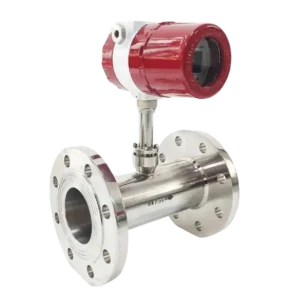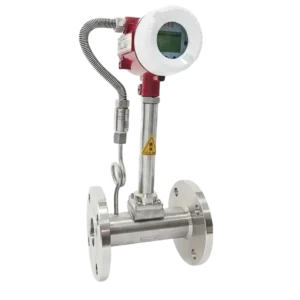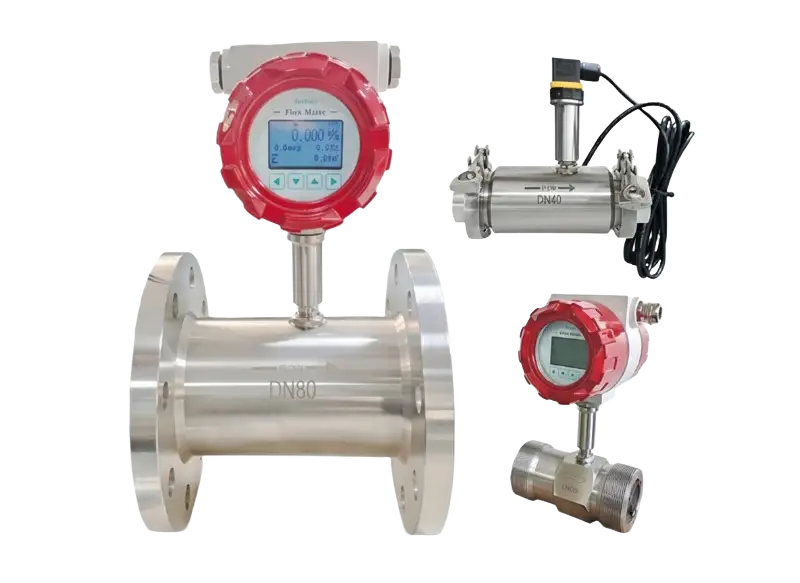

Liquid Turbine Flow Meter

  • Very high measurement accuracy and excellent repeatability.
  • Wide measurement range (Wide Turn-down Ratio) for handling varying flow rates.
  • Simple design with an electronic pulse output, suitable for batching and control systems.
  • Ideal for measuring the flow rate of clean, low-viscosity liquids such as light fuel.
  • Good resistance to high temperatures and pressures.

Engineering-Led Selection

Genuine Products, Direct Sourcing

×

Phone:

021-66572717
Product Overview

Liquid Turbine Flow Meter is used to measure the volumetric flow rate of clean, low-viscosity liquids and is one of the most widely used flow sensors in industry.

This device works by installing a multi-blade rotor in the flow path. As the fluid passes through the meter body, the liquid’s kinetic energy causes the rotor to spin. The rotor’s angular speed is directly proportional to the fluid velocity. A sensor, or Pick-up Coil, is installed above the rotor to detect the passing blades and generate an electronic pulse signal. The frequency of these pulses is proportional to the liquid’s volumetric flow rate.

Thanks to their high accuracy, excellent repeatability, and wide measurement range (Wide Turn-down Ratio), these flow meters are suitable for applications such as measuring the flow of petroleum fluids, distilled water, light chemicals, and in batching systems. However, because they have moving parts, their use with dirty, abrasive, or viscous fluids is not recommended.

Key Features
Accuracy Class
Certification
Display Type
Fluid Type
Installation Type
IP Rating
Measured Variable
Measurement Technology
Output Signal
Portability
Power Supply
Process Connection
Wetted Part Material
Technical Documents
Datasheet 1 document
Videos
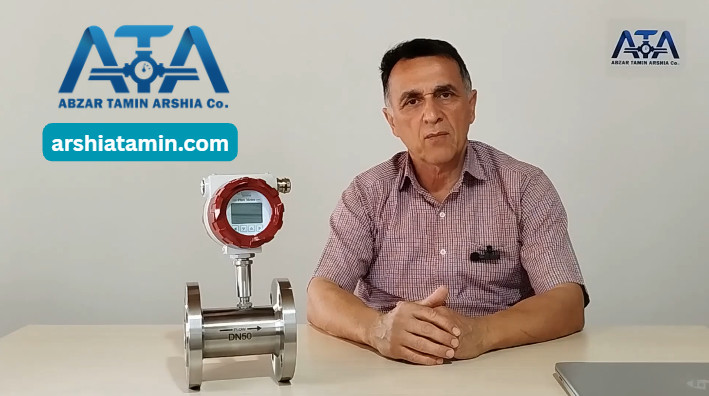
Introduction to Liquid Turbine Flow Meters

Introduction to Liquid Turbine Flow Meters

Request a Quote
Technical & Commercial RFQ

Submit Your Request in One Place

You can add multiple instruments to one request. The form shows the fields available for each product.

ATA SMART RFQ Engineering Insight, Precision Supply
۱

Contact Information

We will send the quotation response to this contact.

۲

Select and Add a Product

Search for a product or select one from the list to add its form.

Standard specifications will be listed in the quotation. You can request changes after receiving it.

۳

Attachments and Notes

Attach at least one file when choosing Upload RFQ Files Only.

Choose FilesPDF, Word, Excel, image, DWG or DXF — up to 10 MB per file
    ۰ قلم تجهیزAll items and files will share one tracking number.

    Frequently Asked Questions

    They are suitable for clean, relatively low-viscosity liquids such as water and some light fuels. Material compatibility, bearing lubrication, and model-specific operating conditions should be checked.

    The K-factor is the number of pulses corresponding to a unit volume of flow. To calculate flow rate and volume, enter its value and unit from the instrument’s calibration certificate.

    Not necessarily; changes in viscosity and Reynolds number can affect the conversion factor. Calibration with the oil at the operating temperature should be considered.

    If particles could damage the rotor or bearings, a suitable strainer is required. Select the mesh size and allowable pressure drop according to the manufacturer’s instructions.

    Permitted flow direction and horizontal or vertical installation depend on the instrument’s design. The line must remain full of liquid, and straight-run requirements must be met.

    Vapor formation at low pressure can disrupt readings and wear internal components. Adequate back pressure and line pressure drop should be checked.

    Please specify the liquid type, viscosity and density at operating temperature, flow range, pressure, temperature, connection, material, output, and whether a totalizer display is required.