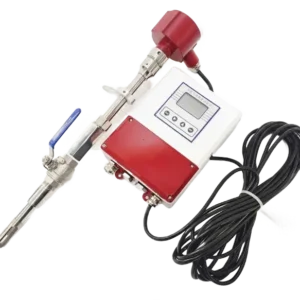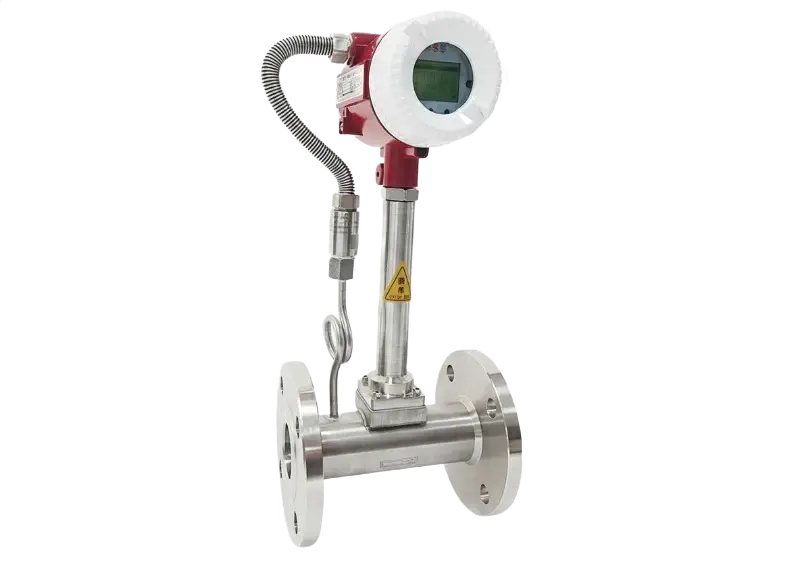

Vortex Flow Meter

  • Suitable for measuring the flow rate of liquids, gases, and especially steam.
  • Models with pressure and temperature measurement are available to calculate mass flow rate.
  • Featuring a no-moving-parts design and high resistance to wear.
  • Creates a very low pressure drop compared with an orifice plate.
  • Excellent stability and repeatability under high-temperature and high-pressure process conditions.

Engineering-Led Selection

Genuine Products, Direct Sourcing

×

Phone:

021-66572717
Product Overview

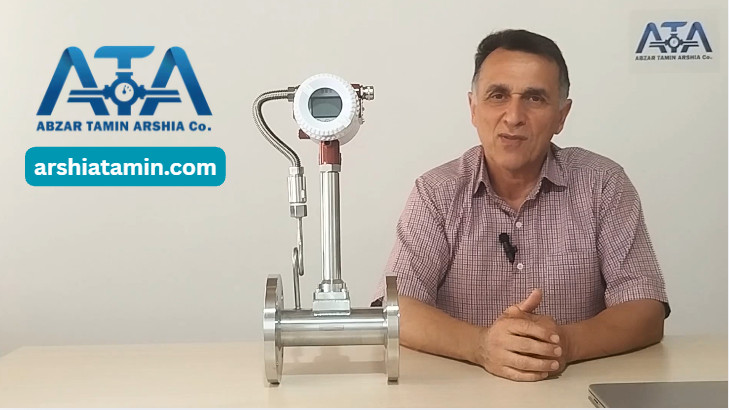
Vortex flowmeter is a volumetric flow measurement device that operates based on the phenomenon known as the von Karman vortex street (Karman Vortex Street).

A bluff body is installed in the fluid flow path. As the fluid (liquid, gas, or steam) passes around this obstruction, alternating vortices form behind it. The frequency at which they are generated is directly proportional to the fluid flow velocity. A piezoelectric or capacitive sensor detects the pressure fluctuations caused by these vortices and converts their frequency into an electronic signal, which is used to calculate the flow rate.

Thanks to their robust construction and lack of moving parts subject to wear, vortex flowmeters are highly resistant to changes in pressure and temperature. These features make them an ideal choice for measuring the flow of steam, air, compressed gases, and high-temperature process liquids in industries such as power generation, chemicals, and oil and gas.

Some advanced vortex flowmeter models are equipped with pressure and temperature sensors, enabling density compensation for gases and steam and allowing mass flow to be calculated with density compensation.

Key Features
Certification
Display Type
Installation Type
Output Signal
Wetted Part Material
Fluid Type
Accuracy Class
IP Rating
Measured Variable
Measurement Technology
Portability
Power Supply
Process Connection
Technical Documents
Datasheet 1 document
Videos
Vortex Flow Meter Overview

Vortex Flow Meter Overview

Request a Quote
Technical & Commercial RFQ

Submit Your Request in One Place

You can add multiple instruments to one request. The form shows the fields available for each product.

ATA SMART RFQ Engineering Insight, Precision Supply
۱

Contact Information

We will send the quotation response to this contact.

۲

Select and Add a Product

Search for a product or select one from the list to add its form.

Standard specifications will be listed in the quotation. You can request changes after receiving it.

۳

Attachments and Notes

Attach at least one file when choosing Upload RFQ Files Only.

Choose FilesPDF, Word, Excel, image, DWG or DXF — up to 10 MB per file
    ۰ قلم تجهیزAll items and files will share one tracking number.

    Frequently Asked Questions

    Yes. Steam is a common application for vortex flow meters. Steam quality, minimum valid velocity, design pressure and temperature, and installation conditions should be checked.

    It measures velocity and volumetric flow. Mass flow is calculated using density; pressure and temperature compensation should be provided in the meter model or control system.

    For saturated steam, one valid variable can determine density; for superheated steam, pressure and temperature are usually required. The calculation method should match the actual steam conditions.

    Below the valid velocity or Reynolds number limit, stable vortices and a sufficient signal cannot be generated. The meter size should be matched to the actual minimum flow rate.

    Mechanical vibration can interfere with vortex detection. The installation location, pipe supports, and distance from vibration sources should be checked in accordance with the manufacturer’s instructions.

    A straight pipe run is usually required. The required length depends on the model, type of flow disturbance, and valve conditions, and should be checked against the piping layout before purchase.

    Please provide the fluid type or steam condition, flow range, pressure and temperature, size and flange class, straight pipe length, output, and whether mass flow calculation is required.