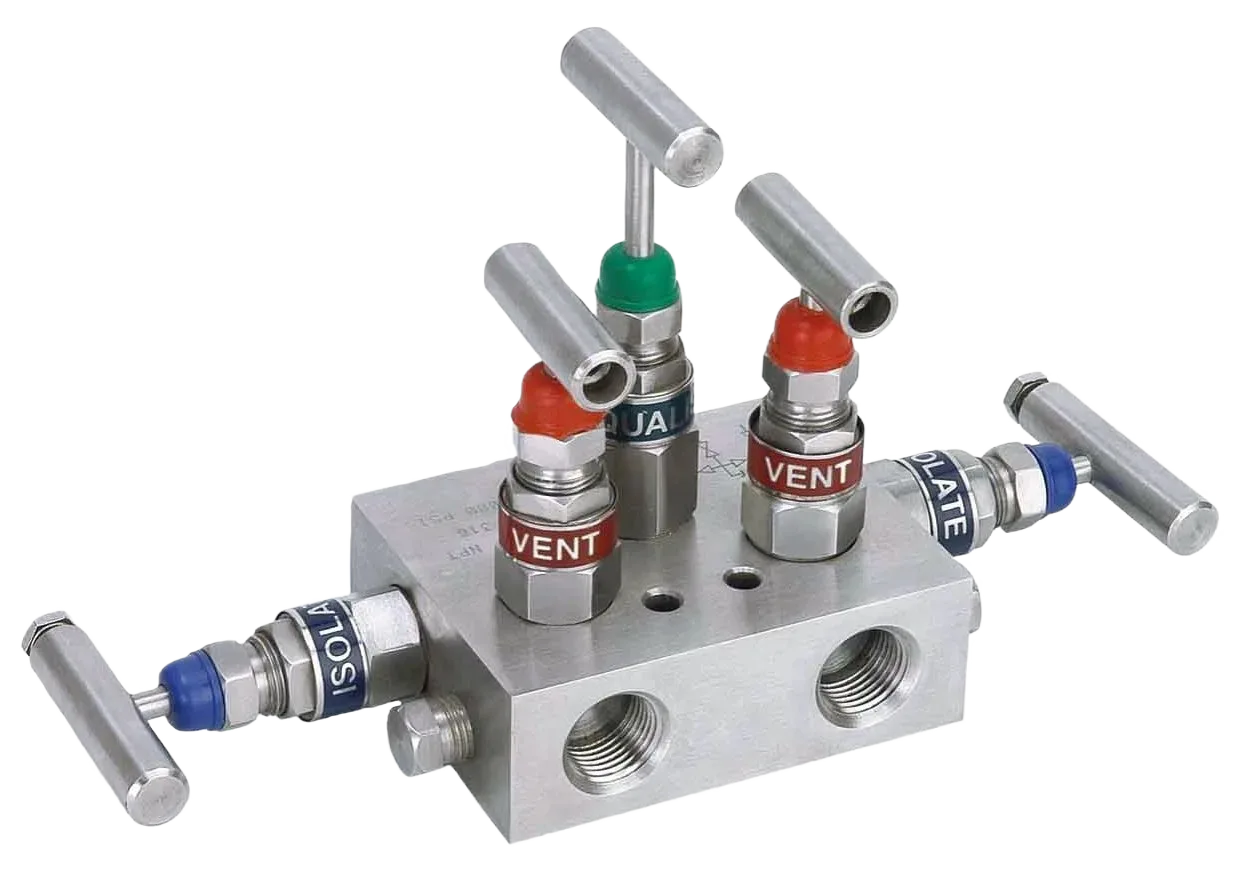
Instrumentation Manifold

  • Provides a secure connection, isolation, and venting for pressure transmitters.
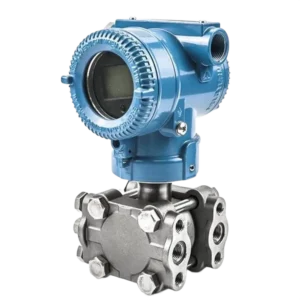
  • Essential for the proper installation and calibration of differential pressure (DP) transmitters.
  • The equalizing valve protects the sensor during zero adjustment.
  • Allows the instrument to be isolated from the process for servicing and maintenance without shutting down the line.
  • Available in 3-valve and 5-valve configurations to suit different applications.
  • Durable stainless steel construction for long-lasting performance in corrosive environments.

Engineering-Led Selection

Genuine Products, Direct Sourcing

×

Phone:

021-66572717
Product Overview

A manifold is a multi-port (multi-valve) component used to connect, isolate, vent, and calibrate differential pressure measuring instruments such as DP transmitters. Its primary function is to provide a safe and efficient way to isolate an instrument from the process for servicing, testing, or calibration, without shutting down the entire system. The main types of manifolds are:

1. 2-Valve Manifold: Used with pressure transmitters (one isolation valve and one vent valve).

2. 3-Valve Manifold: Used with differential pressure transmitters and fitted with two isolation valves (one for each pressure side) and one equalizing valve.

3. 5-Valve Manifold: In addition to the valves found in a 3-valve manifold, it includes two additional vent valves.

The equalizing valve in a manifold allows the pressure on both sides of the DP transmitter to equalize, preventing unwanted differential pressure from being applied to the sensor during calibration and zero adjustment.

Manifolds provide a safe, standardized connection in pressure lines and are essential for installing DP instruments.

Key Features
Measured Variable
Fluid Type
Installation Type
Process Connection
Wetted Part Material
Portability
Measurement Technology
Request a Quote
Technical & Commercial RFQ

Submit Your Request in One Place

You can add multiple instruments to one request. The form shows the fields available for each product.

ATA SMART RFQ Engineering Insight, Precision Supply
۱

Contact Information

We will send the quotation response to this contact.

۲

Select and Add a Product

Search for a product or select one from the list to add its form.

Standard specifications will be listed in the quotation. You can request changes after receiving it.

۳

Attachments and Notes

Attach at least one file when choosing Upload RFQ Files Only.

Choose FilesPDF, Word, Excel, image, DWG or DXF — up to 10 MB per file
    ۰ قلم تجهیزAll items and files will share one tracking number.

    Frequently Asked Questions

    Depending on its design, it allows the instrument pressure line to be isolated, equalized, or vented, making servicing or calibration easier.

    A 2-valve manifold is typically used for single-point pressure measurement, while 3- and 5-valve manifolds are used for DP measurement. Check the model drawing to confirm the vent paths and valve arrangement.

    No. A manifold is not a pressure regulator. Its purpose is to manage the instrument connection and isolation, not to regulate process pressure.

    A direct-mount model connects to a compatible transmitter connection, while a remote-mount model is installed using an intermediate tube or pipe. Check that the distance and connection standard are compatible.

    Chemical compatibility, pressure, temperature, and leakage requirements are important. The body material alone is not enough to determine the pressure and temperature limits of the entire assembly.

    Yes. An incorrect sequence can expose a DP sensor to pressure on one side only. Commissioning and servicing must follow the equipment instructions and an approved procedure.

    Specify the instrument type, number of valves, direct- or remote-mount configuration, port spacing, thread or flange type, material, pressure and temperature, and any leak-testing requirements.