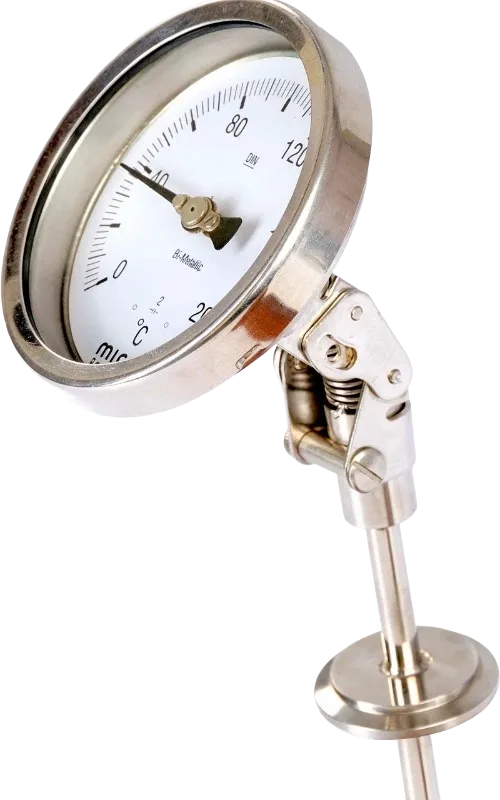
Bimetal Temperature Gauge
- Local temperature measurement without the need for an electrical power supply.
- Operates based on the simple principle of thermal expansion of metals.
- Features a durable stainless steel case and stem for use in industrial environments.
- Cost-effective and suitable for general temperature monitoring in pipelines and equipment.
- Offers a choice of connection type (rear, bottom, or angled) for easy installation.
- Provides a suitable response time and sufficient accuracy for general industrial applications.

Engineering-Led Selection

Genuine Products, Direct Sourcing
Phone:
021-66572717A bimetal dial thermometer is a simple mechanical instrument used to measure the process temperature of a liquid or gas and display it locally on a graduated dial.
These thermometers operate using a bimetal strip or spring. The strip is made by permanently bonding two different metals with different coefficients of thermal expansion, such as copper and iron. As the temperature rises, the metal with the higher coefficient of expansion expands more than the other, causing the bimetal strip to bend or twist. This rotational movement is transmitted through a shaft connected to the pointer, which indicates the fluid temperature.
Thanks to their simplicity, mechanical strength, and lack of need for an electrical power supply, bimetal thermometers are used in a wide range of industrial applications, including temperature monitoring in tanks, pipelines, HVAC equipment, and steam boilers.

| Measured Variable | Temperature |
|---|---|
| Measurement Technology | Bimetal |
| Fluid Type | Conductive Liquid, Gas, Non-Conductive Liquid |
| Wetted Part Material | Brass, Stainless Steel |
Submit Your Request in One Place
You can add multiple instruments to one request. The form shows the fields available for each product.
Frequently Asked Questions
The difference in expansion between the two metals moves the bimetallic spring or strip, and this movement is transmitted to the pointer. Standard models indicate temperature without an electrical power supply.
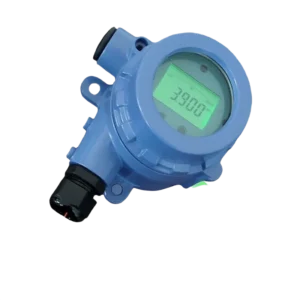
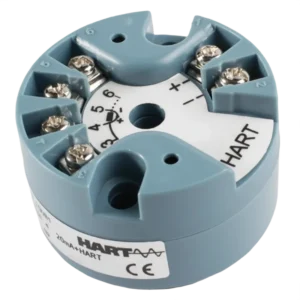
A standard dial model has no electrical output. To transmit temperature, choose a model with an output or use a separate sensor and transmitter.
The sensing section must be immersed sufficiently in the medium being measured. Insufficient immersion and heat transfer to the surroundings can cause reading errors.
Yes, provided the dimensions and thermal conditions are compatible. The stem diameter and length, thermowell depth, and heat transfer between them must be matched.
The connection direction and dial position should suit the installation location and ensure readability. Angle adjustment is available only on models designed for this feature.
Yes; they can affect the mechanism and pointer reading. The installation location and the need for a vibration-resistant model or suitable mounting arrangement should be considered.
Specify the temperature range, dial diameter, stem length and diameter, connection type and orientation, material, process pressure, and whether a thermowell is required.