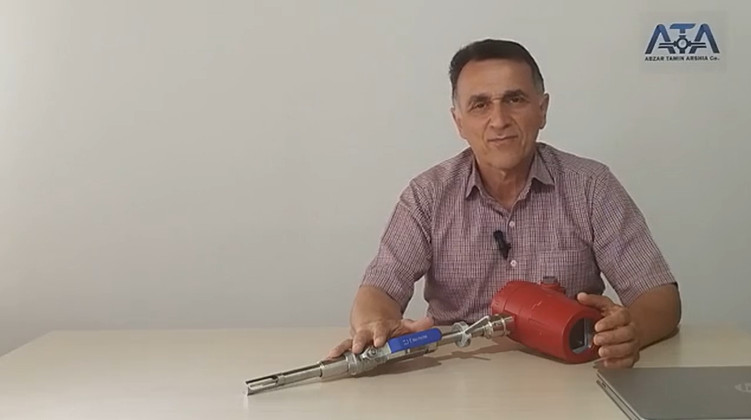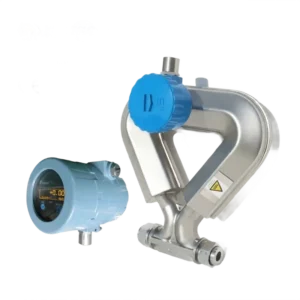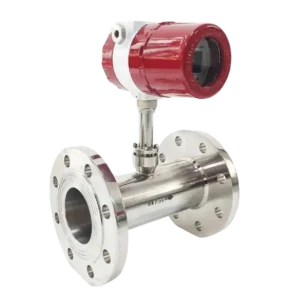

Insertion Thermal Mass Flow Meter

  • Direct measurement of the mass flow rate of gases and compressed air.
  • Ideal for installation in large-diameter, low-pressure pipes and ducts.
  • Direct mass measurement, subject to the gas conditions and calibration range.
  • Installation with a ball valve and removal without shutdown are possible only with a suitable model and Hot Tap installation assembly.
  • No moving parts, reducing the need for periodic maintenance.

Engineering-Led Selection

Genuine Products, Direct Sourcing

×

Phone:

021-66572717
Product Overview

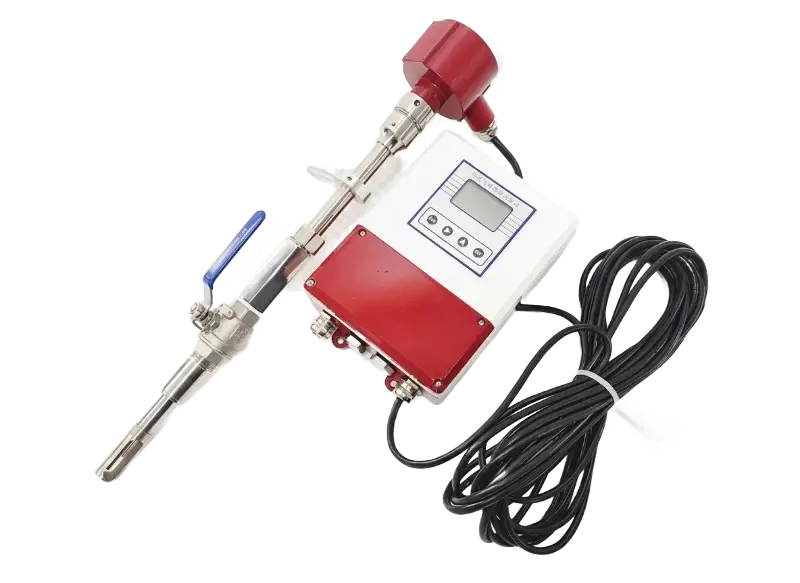
Thermal mass flowmeter Insertion is a measuring instrument used to calculate the mass flow of gases in large pipes or ducts where installing an In-line model would be uneconomical due to cost or size constraints.

This model consists of a long probe inserted into the main pipe or air duct through a small branch connection. It operates on the same heat transfer principles: the probe contains two temperature sensors, one of which is heated while the other measures the ambient reference temperature. As gas flows past the probe, the temperature difference between the two sensors changes. By measuring the energy required to maintain this temperature difference, the gas mass flow rate at the measurement point is calculated.

The main advantages of the Insertion model are its quick and easy installation, especially in large pipelines such as industrial air ducts and stacks, and its lower cost compared with in-line models in larger diameters. Since this flowmeter measures mass flow directly, no separate conversion from volumetric flow is required. However, the gas composition and the calibration pressure and temperature range must be taken into account.

This flowmeter is used in industrial ventilation and HVAC, exhaust gas monitoring, and the measurement of compressed air and process gases in large-diameter pipes and ducts.

Key Features
Display Type
Fluid Type
Installation Type
IP Rating
Measurement Technology
Measured Variable
Power Supply
Wetted Part Material
Technical Documents
Datasheet 1 document
Videos
Introduction to Insertion Mass Flow Meters

Introduction to Insertion Mass Flow Meters

Request a Quote
Technical & Commercial RFQ

Submit Your Request in One Place

You can add multiple instruments to one request. The form shows the fields available for each product.

ATA SMART RFQ Engineering Insight, Precision Supply
۱

Contact Information

We will send the quotation response to this contact.

۲

Select and Add a Product

Search for a product or select one from the list to add its form.

Standard specifications will be listed in the quotation. You can request changes after receiving it.

۳

Attachments and Notes

Attach at least one file when choosing Upload RFQ Files Only.

Choose FilesPDF, Word, Excel, image, DWG or DXF — up to 10 MB per file
    ۰ قلم تجهیزAll items and files will share one tracking number.

    Frequently Asked Questions

    The probe is inserted into the pipe or duct through a connection, eliminating the need for a large, full-bore meter body. Insertion depth and velocity profile affect the measurement results.

    They are determined based on the line’s internal dimensions, sensor position, and the manufacturer’s instructions. Incorrect orientation or insufficient insertion can skew the reading.

    Only if the assembly is designed for removal under pressure and a safe procedure is followed. A standard model must not be removed simply by loosening the connection.

    The probe measures velocity and heat transfer at the installation point. Disturbances from a valve, elbow, or fan can alter the flow distribution and affect the estimated total flow rate.

    No. Changing the gas affects its thermal properties and calibration. The gas composition and manufacturer-approved conversion method must be verified.

    A layer of contamination changes heat transfer and can cause errors. Cleaning must be performed using a method compatible with the sensor coating and components.

    Provide the gas and its composition, the pipe’s internal diameter or duct dimensions, flow rate, pressure, temperature, straight-run length, probe length, and whether removal under pressure is required.