
Engineering-Led Selection

Genuine Products, Direct Sourcing
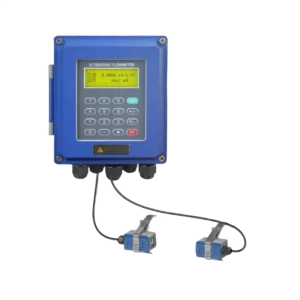
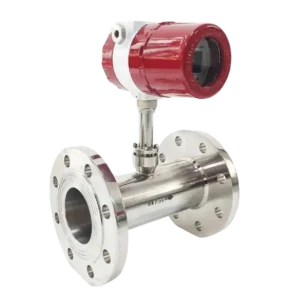
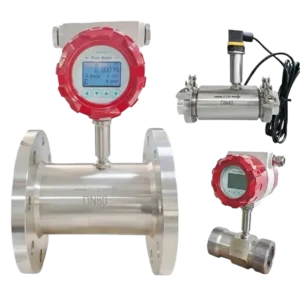
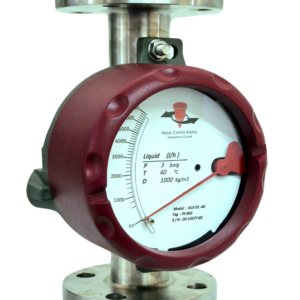
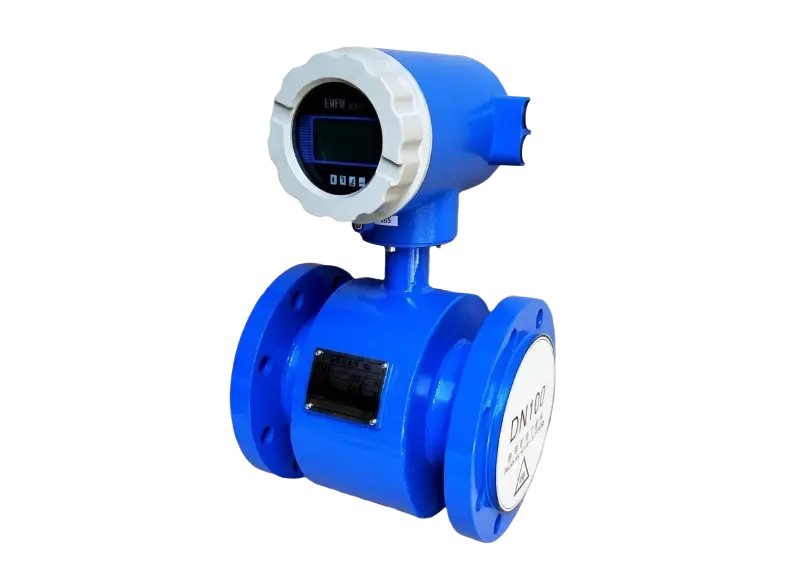
In-line electromagnetic flow meter is a widely used piece of instrumentation for measuring the volumetric flow rate of conductive liquids. This type of flow meter is used with fluids such as water, wastewater, slurries, and certain chemicals. With no moving parts, low pressure drop, and high accuracy, it is a suitable choice for the oil and gas, petrochemical, water and wastewater, and industrial process industries.
An in-line electromagnetic flow meter operates on the principle of electromagnetic induction (Faraday’s law). As a conductive liquid flows through the measuring tube, which is exposed to a magnetic field, a voltage proportional to the fluid’s flow velocity is generated. The electrodes measure this voltage, which is then converted into volumetric flow rate.
These flow meters are suitable for installation in pipelines of various diameters, from a few millimeters to several hundred millimeters. Their design, with no moving parts, minimizes maintenance requirements and significantly extends the device’s service life. High reliability, measurement accuracy independent of the liquid’s physical properties (such as density and viscosity), and corrosion resistance are among the key advantages of in-line electromagnetic flow meters.
| Measured Variable | Flow |
|---|---|
| Measurement Technology | Electromagnetic |
| Process Connection | Flange, Thread |
| Wetted Part Material | PTFE, Stainless Steel |
| Accuracy Class | ±0.5% |
| Display Type | Digital, With Display, Without Display |
| Fluid Type | Conductive Liquid, Slurry |
| IP Rating | IP65, IP68 |
| Installation Type | In-line |
| Output Signal | 4-20 mA, HART, Pulse, RS485 |
| Power Supply | 24V DC |
| Portability | Fixed |
| Certification | Ex-proof, General Purpose |
| Size | “1, “1/2, “1/4, “10, “2, “4, “6, “8, More than 10 inch |
- PDF Datasheet Download
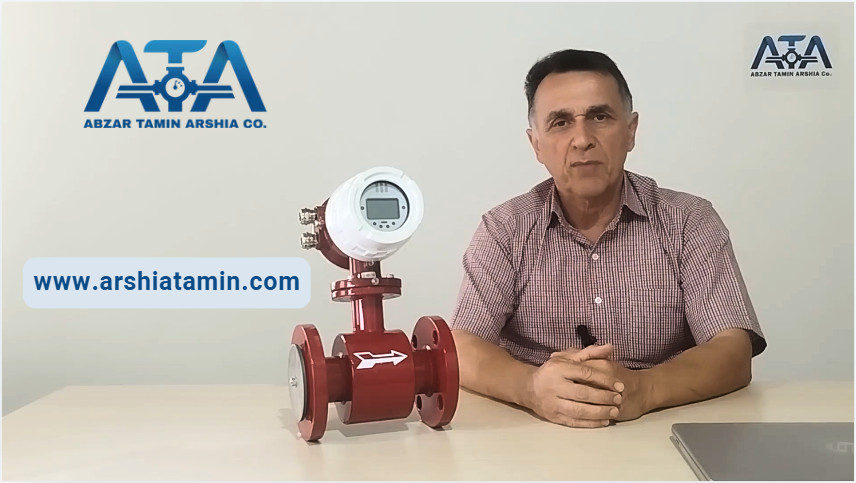
Introduction to Electromagnetic Flow Meters
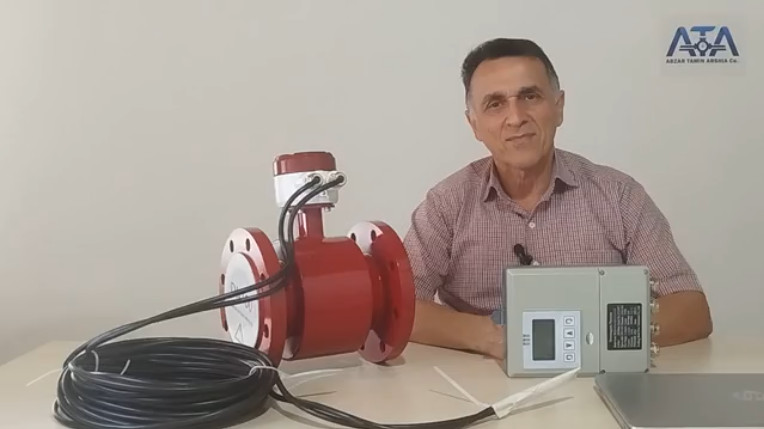
Introduction to Remote Magnetic Flow Meters
Submit Your Request in One Place
You can add multiple instruments to one request. The form shows the fields available for each product.
Related products