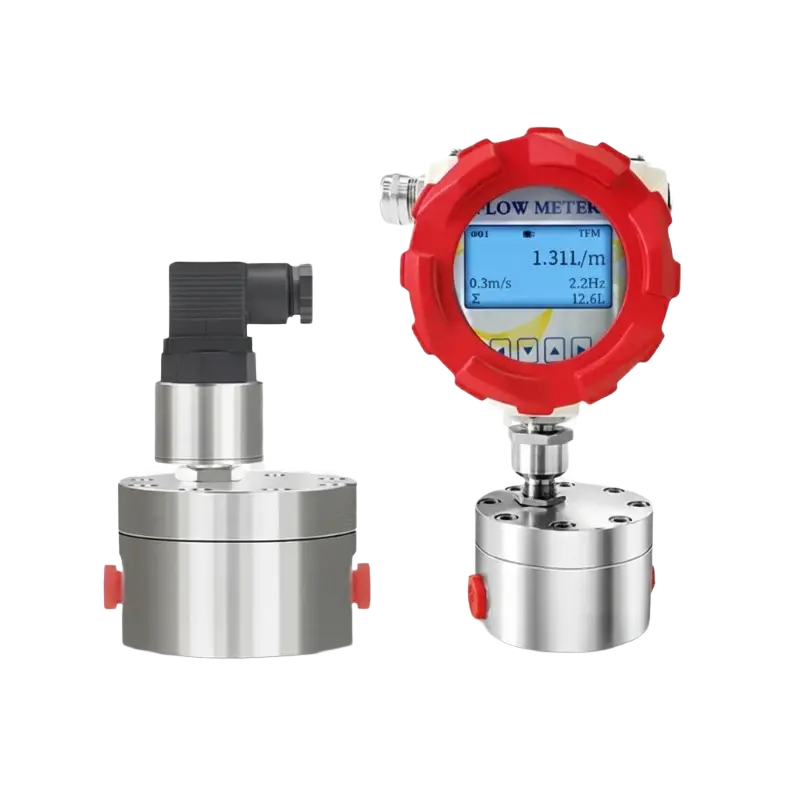
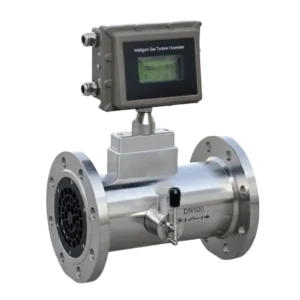
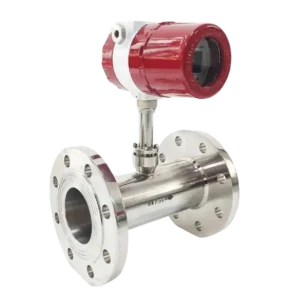
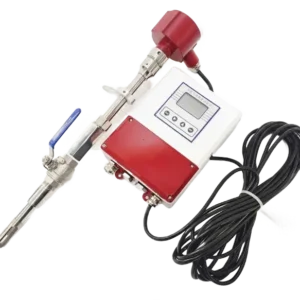
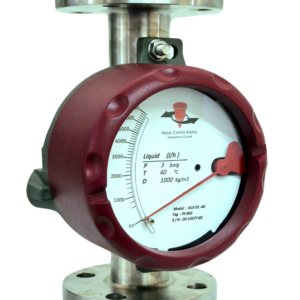
Gear Flow Meter
- Ultra-high-accuracy measurement, even at very low flow rates.
- Ideal for measuring the flow rate of viscous, thick liquids such as oils and adhesives.
- Accurate measurement of small volumes in batching and dosing processes.
- Accurate pulse output for connection to controllers and dosing systems.
- High wear resistance thanks to its robust metal construction and high reliability.

Engineering-Led Selection

Genuine Products, Direct Sourcing
Phone:
021-66572717A gear flow meter, or Positive Displacement (PD) flow meter, is one of the most accurate instruments for measuring the volumetric flow rate of high-viscosity liquids.
This flow meter works by trapping fixed, precisely defined volumes of liquid between the teeth of two or more gears (or other precisely shaped elements) as they rotate inside the measuring chamber. As the fluid flow turns the gears, a specific volume of liquid is transferred from the inlet to the outlet with each rotation. A magnetic or optical sensor measures the number of gear rotations per unit of time. Since the volume transferred per rotation is precisely known, the meter can calculate the total volumetric flow rate with a high degree of accuracy.
These flow meters maintain accuracy at low flow rates and perform reliably within the viscosity range specified for each model. This makes them well suited to specialized applications such as measuring heavy fuels, oils, resins, polymers and chemical additives, as well as precision batching systems in the oil and petrochemical, paint and coatings, and pharmaceutical industries.

| Measured Variable | Flow |
|---|---|
| Fluid Type | Conductive Liquid, Non-Conductive Liquid |
| Installation Type | In-line |
| Accuracy Class | ±0.5% |
| Output Signal | Frequency, Pulse |
| Process Connection | Flange, Thread |
| Wetted Part Material | Stainless Steel |
| Display Type | Digital, With Display, Without Display |
| Portability | Fixed |
- PDF Datasheet EN 558 KB Download
Submit Your Request in One Place
You can add multiple instruments to one request. The form shows the fields available for each product.
Frequently Asked Questions
Liquid is displaced in defined volumes between rotating components. The number of rotations or pulses is converted into volume and volumetric flow rate using a calibration factor.
This technology is suitable for many viscous liquids. Viscosity, pressure drop, and starting torque must be within the model’s allowable range.
Its effect is not zero; internal leakage and mechanical behavior vary with viscosity. The calibration factor must be matched to the fluid and operating conditions.
Hard particles can damage the gears and internal clearances. Fluid quality and the need for a suitable strainer should be determined before selection.
Viscosity, flow rate, meter size, and design all have an effect. The acceptable pressure drop must be compatible with the available supply pressure and process sensitivity.
The meter’s pulses are counted using a volume factor. Pulse resolution, response time, and shutoff behavior must be adequate for the required batch quantity.
Please specify the liquid type, viscosity at operating temperature, flow range, pressure and temperature, allowable pressure drop, material, connection, and any output or batch control requirements.