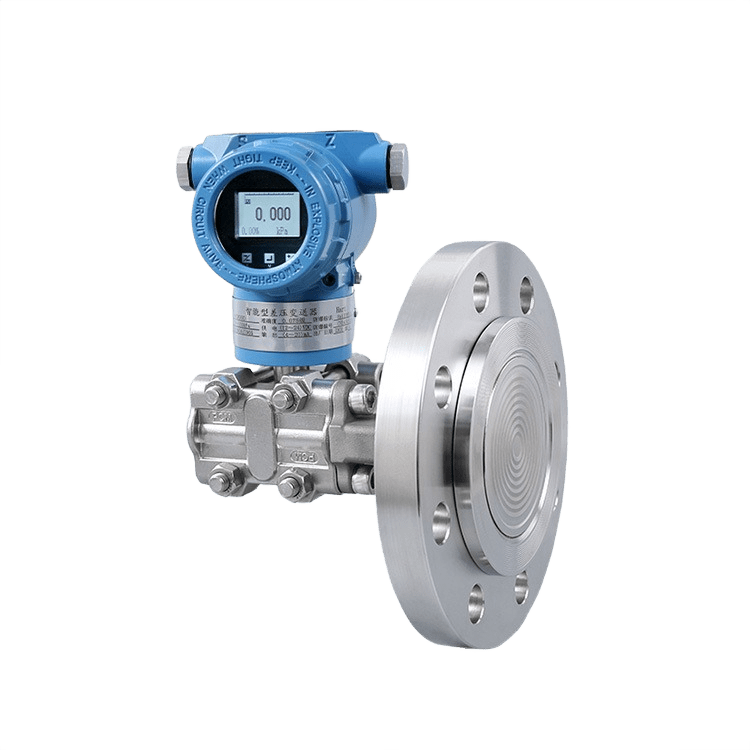
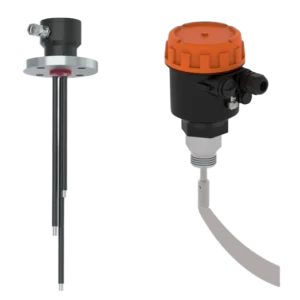
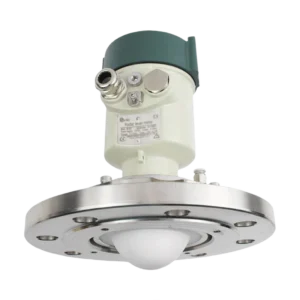
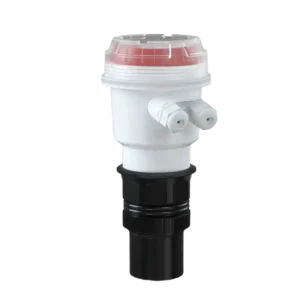
Hydrostatic Level Transmitter

  • Level measurement based on hydrostatic pressure, independent of viscosity and dielectric constant.
  • High flexibility: suitable for open tanks (with a gauge pressure transmitter) and pressurized tanks (with a differential pressure transmitter).
  • No moving mechanical parts, easy maintenance, and long service life.
  • High measurement accuracy, even in corrosive fluids (using a diaphragm seal).
  • Standard 4 to 20 mA signal output with smart calibration capability.
  • Compatible with a Diaphragm Seal to protect against high-temperature or corrosive fluids.

Engineering-Led Selection

Genuine Products, Direct Sourcing

×

Phone:

021-66572717
Product Overview

A hydrostatic level transmitter is a liquid level measurement instrument that operates on the physical principle that the weight of the liquid column above a measurement point exerts a specific pressure. This pressure is directly proportional to the liquid height. By measuring this pressure, the liquid level can be calculated accurately. This method is used to measure levels in both open (non-pressurized) and closed (pressurized) tanks.

  • For open (Open/Non-Pressurized Tanks): In these tanks, the pressure above the liquid surface is atmospheric pressure. The pressure transmitter is connected to the bottom of the tank. In this case, the sensor automatically disregards atmospheric pressure and measures only the pressure caused by the weight of the liquid column, which directly indicates the liquid level.
  • For closed and pressurized tanks (Closed/Pressurized Tanks): In these tanks, the gas pressure (headspace pressure) is also added to the pressure of the liquid column. To measure the level accurately, the effect of this gas pressure must be eliminated. A differential pressure transmitter (DP Transmitter) is used for this purpose.

Key Features
Measured Variable
Measurement Technology
Fluid Type
Installation Type
Accuracy Class
Display Type
Output Signal
Process Connection
Wetted Part Material
Technical Documents
Datasheet 1 document
Request a Quote
Technical & Commercial RFQ

Submit Your Request in One Place

You can add multiple instruments to one request. The form shows the fields available for each product.

ATA SMART RFQ Engineering Insight, Precision Supply
۱

Contact Information

We will send the quotation response to this contact.

۲

Select and Add a Product

Search for a product or select one from the list to add its form.

Standard specifications will be listed in the quotation. You can request changes after receiving it.

۳

Attachments and Notes

Attach at least one file when choosing Upload RFQ Files Only.

Choose FilesPDF, Word, Excel, image, DWG or DXF — up to 10 MB per file
    ۰ قلم تجهیزAll items and files will share one tracking number.

    Frequently Asked Questions

    The pressure exerted by a liquid column is proportional to its height and density. By measuring the pressure and knowing the density, the liquid level can be calculated.

    Bottom gauge pressure is commonly used to indicate the pressure exerted by the liquid column. The sensor location and elevation difference from the level reference point must be accounted for in the setup.

    The pressure in the vapor space above the liquid must be separated from the pressure at the bottom of the tank. A suitable DP arrangement accounts for this common pressure and determines the pressure exerted by the liquid column.

    Yes. The same pressure corresponds to different liquid heights at different densities. Changes in concentration or temperature must be accounted for within the allowable error range or through compensation.

    The liquid column or fill fluid creates additional pressure. Its density, elevation difference, and temperature changes must be considered when determining the range and zero.

    It can be considered with a suitable connection and diaphragm. A narrow passage may become blocked, so the need for a flush diaphragm or seal should be evaluated.

    Provide the liquid height and density, whether the tank is open or closed, pressure and temperature, installation location, connection, corrosiveness, and whether a seal or capillary is required.